Science of Cooking
The seemingly simple act of cooking is, at its core, a fascinating application of physics and chemistry. Understanding the science behind cooking temperatures is fundamental to achieving culinary success, ensuring food safety, and unlocking the full potential of ingredients. Applying heat to food initiates a cascade of complex molecular transformations that alter its texture, flavor, aroma, and nutritional content. From the delicate coagulation of proteins in a perfectly poached egg to the caramelization of sugars in a seared steak, every culinary technique relies on precise control of cooking temperatures. Too low a cooking temperature might result in undercooked food that is both unappetizing and potentially unsafe due to the survival of harmful microorganisms. Conversely, excessively high cooking temperatures can lead to dry, tough, or burnt food, destroying desirable flavors and textures.
The science of cooking temperatures involves understanding how heat energy is transferred to food, how different food components react at various temperatures, and the importance of maintaining consistent and accurate cooking temperatures throughout the cooking process. Whether you’re a seasoned chef or a novice home cook, a grasp of these scientific principles empowers you to make informed decisions in the kitchen and consistently produce delicious and safe meals. Even restaurants and home-based food businesses in Bengaluru utilizing platforms like HOGR delivery must adhere to specific cooking temperatures to ensure the quality and safety of the food delivered to their customers. This article will delve into the science behind cooking temperatures, exploring the fundamental principles that govern the transformation of food through heat.
A Guide to Cooking Temperature
Mastering the art of cooking hinges on a solid understanding of cooking temperature and how to control it effectively. Different foods and cooking methods require specific cooking temperatures to achieve optimal results.
Food Science Basics
To truly understand cooking temperatures, it’s helpful to grasp some fundamental food science basics. Food is composed primarily of water, carbohydrates, proteins, and fats, along with vitamins, minerals, and other minor compounds. Each of these components reacts differently to heat. For example, proteins begin to denature (unravel and then coagulate) at specific cooking temperatures, leading to changes in texture, such as the firming of meat or the setting of eggs. Carbohydrates, including sugars and starches, undergo transformations like caramelization (the browning of sugars at high cooking temperatures) and gelatinization (the swelling of starch granules in the presence of water and heat). Fats melt at various cooking temperatures, contributing to flavor and texture. Water boils at 212°F (100°C) at sea level, and this phase change plays a crucial role in steaming and boiling. Understanding these basic chemical and physical changes that occur at different cooking temperatures is essential for predicting how food will behave during cooking.
Heat Transfer Cooking
Heat transfer cooking refers to the various ways in which heat energy is transferred from a heat source to food. Understanding these mechanisms is crucial for controlling cooking temperatures effectively. The three primary methods of heat transfer cooking are:
- Conduction: Heat transfer through direct contact. For example, when a dosa is cooked on a hot tawa, heat is transferred directly from the tawa to the surface of the batter.
- Convection: Heat transfer through the movement of fluids (liquids or gases). In a tandoor oven, hot air circulates and transfers heat to the naan or tandoori chicken. Boiling sambar in a pot transfers heat to the vegetables through convection.
- Radiation: Heat transfer through electromagnetic waves. Grilling paneer tikka over hot coals involves radiant heat. Microwave cooking also utilizes radiant energy to heat water molecules within the food.
Different cooking methods utilise these heat transfer cooking mechanisms in varying degrees, and understanding how heat is being transferred allows for better control over cooking temperatures and more even cooking.
Temperature Control
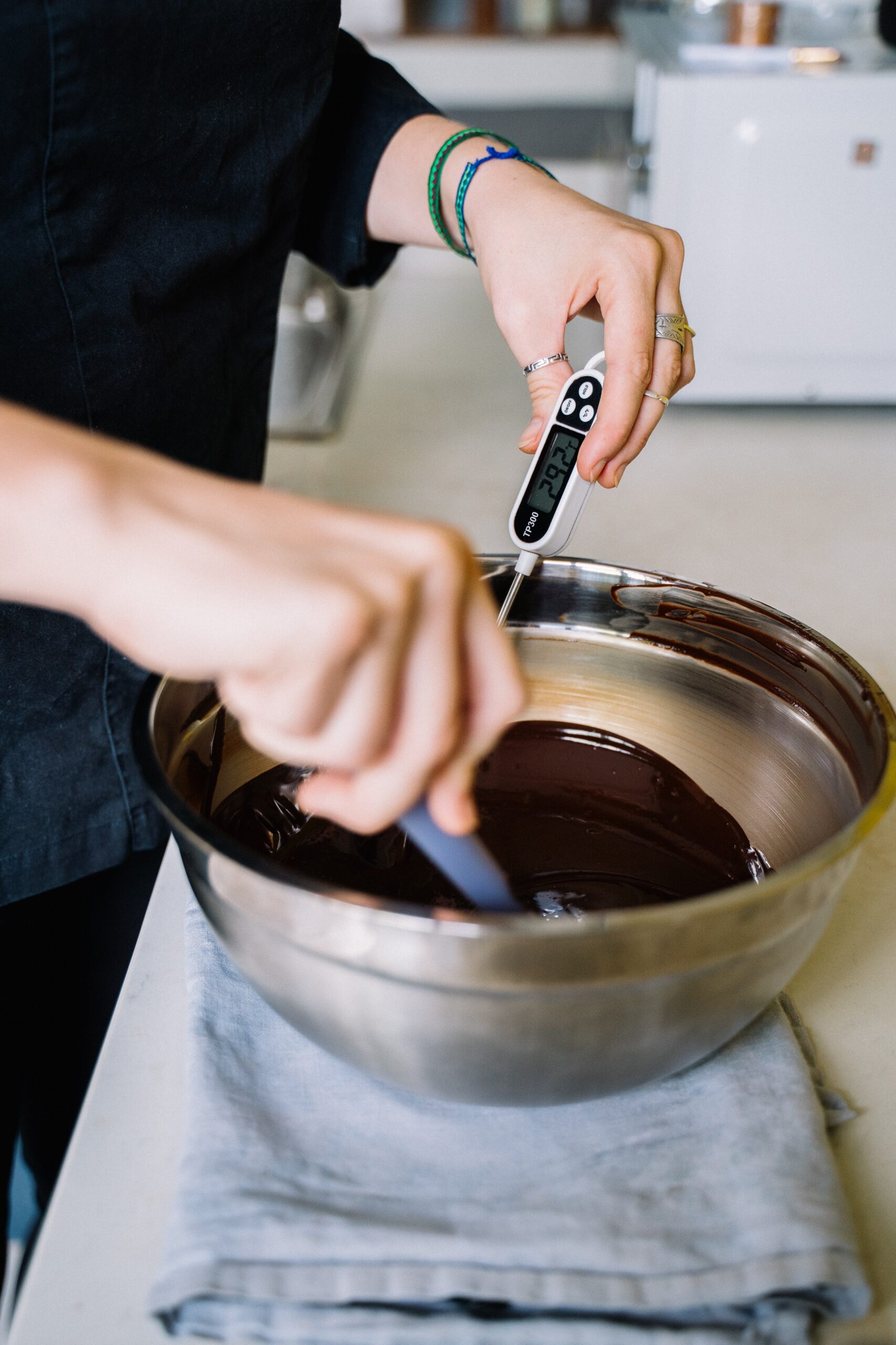
Precise temperature control is paramount for consistent and successful cooking. Different cooking methods require different levels of temperature control. For methods like simmering a delicate rasam or slow-cooking biryani, maintaining a low and steady cooking temperature is key. For searing fish fillets or frying vada, high and consistent cooking temperatures are necessary to achieve the desired browning and texture. Various tools and techniques aid in temperature control. Stovetops allow for adjusting burner intensity. Instant-read thermometers are invaluable for checking the internal cooking temperature of food to ensure both doneness and safety, especially for dishes like chicken biryani. For certain specialised techniques, like using a precise water bath for sous vide cooking, very specific cooking temperatures are maintained for extended periods. Even when using delivery platforms like HOGR delivery in Bengaluru, restaurants meticulously control cooking temperatures during preparation and packaging to ensure the food arrives at the customer’s door at a safe and palatable temperature, maintaining the intended quality of dishes like butter chicken or masala dosa.
Cooking Physics
The physics of cooking further elucidates how cooking temperatures affect food. Concepts like specific heat capacity (the amount of energy required to raise the temperature of a substance by a certain amount) and thermal conductivity (how easily heat flows through a substance) helps explain why different foods cook at different rates. For instance, water has a high specific heat capacity, meaning it takes a lot of energy to raise its temperature, which is why boiling a large pot of water for pasta takes time. Metals have high thermal conductivity, allowing a tawa to heat up quickly and evenly for cooking purposes.
Summary
The science of cooking temperatures is a fundamental aspect of culinary arts and food safety. By understanding the basic principles of food science, the mechanisms of heat transfer cooking, the importance of precise temperature control, and the underlying cooking physics, cooks of all levels can elevate their skills and achieve consistent, delicious, and safe results. Whether you’re searing a delicate fish, slow-roasting a flavourful curry, or perfectly tempering chocolate, the careful application of the right cooking temperature is essential. Bengaluru relies on the expertise of chefs who understand and apply these scientific principles in their kitchens to ensure the quality and safety of every meal, from crispy dosas to succulent biryanis. A solid grasp of the science behind cooking temperatures empowers us to transform raw ingredients into culinary delights and ensures that the food we prepare and consume is both enjoyable and safe.

A food enthusiast and a blogger – someone who likes to eat and write about it. I’m passionate about exploring different cuisines and challenging my palette. I give into my food craving regularly and am often on the hunt to find my new favorite food place in town.